Validat Credits Explained: How Usage-Based Compliance Works
Validat Credits make fintech compliance easier to manage. Learn how 1 credit = 1 action helps simplify KYC, AML, fraud screening, and onboarding with predictable pricing.


Financial systems are evolving rapidly as businesses expand digital payment services, subscription models, and online transactions. With this growth comes increasing regulatory pressure to monitor financial activity continuously and detect suspicious behavior before it escalates into fraud or compliance violations.
Traditional compliance processes relied heavily on manual reviews or periodic audits. However, modern financial environments require automated systems capable of monitoring activity across large transaction volumes in real time.
A long-term compliance monitoring platform provides continuous oversight of financial operations, helping organizations detect suspicious activity, maintain regulatory alignment, and scale monitoring capabilities as business operations grow.
According to financial crime research across the UK and Europe, fraud and regulatory violations continue to cost financial institutions billions annually. As transaction ecosystems become more complex, organizations increasingly rely on automated compliance monitoring platforms to maintain continuous oversight and reduce operational risk.
As businesses expand across multiple regions and digital platforms, compliance monitoring becomes more complex. For example, service providers operating in locations like south bay must ensure their payment systems and subscription infrastructure remain protected from fraud risks and regulatory exposure.
Businesses scaling their digital operations often explore strategies for growing businesses stay compliant without hiring large teams, particularly when compliance demands expand faster than internal resources.
According to UK financial crime reports, fraud remains one of the fastest growing risks for digital payment platforms. Industry research estimates that financial institutions lose billions annually to fraud related activity, while subscription based services increasingly rely on automated monitoring systems to manage transaction risk and regulatory compliance.
Compliance obligations are not one-time checks. Financial systems require ongoing oversight to detect unusual behavior patterns, monitor transactions, and ensure regulatory alignment across multiple operational systems.
A long-term compliance monitoring platform helps organizations:
• monitor transaction activity continuously
• detect suspicious patterns in real time
• automate compliance workflows
• generate regulatory reporting data
• maintain auditable documentation
Without continuous monitoring, organizations risk missing early warning signs of financial crime or operational compliance gaps. Financial platforms must maintain constant vigilance due to the increasing fraud risks fintech companies face daily across digital payment ecosystems.
Financial institutions must also ensure their monitoring systems align with evolving UK financial crime regulations, which require firms to maintain effective controls to detect suspicious financial activity and prevent financial crime.
Many organizations historically relied on scheduled compliance reviews or periodic audits. While these checks provide snapshots of financial activity, they cannot detect evolving risk patterns as transactions occur.
Continuous monitoring systems analyze activity in real time and generate alerts when suspicious patterns emerge.
Modern monitoring platforms typically include:
• automated transaction analysis
• behavioral anomaly detection
• real-time alert generation
• continuous customer activity monitoring
Organizations increasingly recognize that ongoing fraud monitoring is becoming the industry standard, replacing traditional one-time verification processes.
Relying on single verification events can create monitoring gaps, which is why many organizations now understand why one-time fraud checks often fail when financial activity evolves over time.
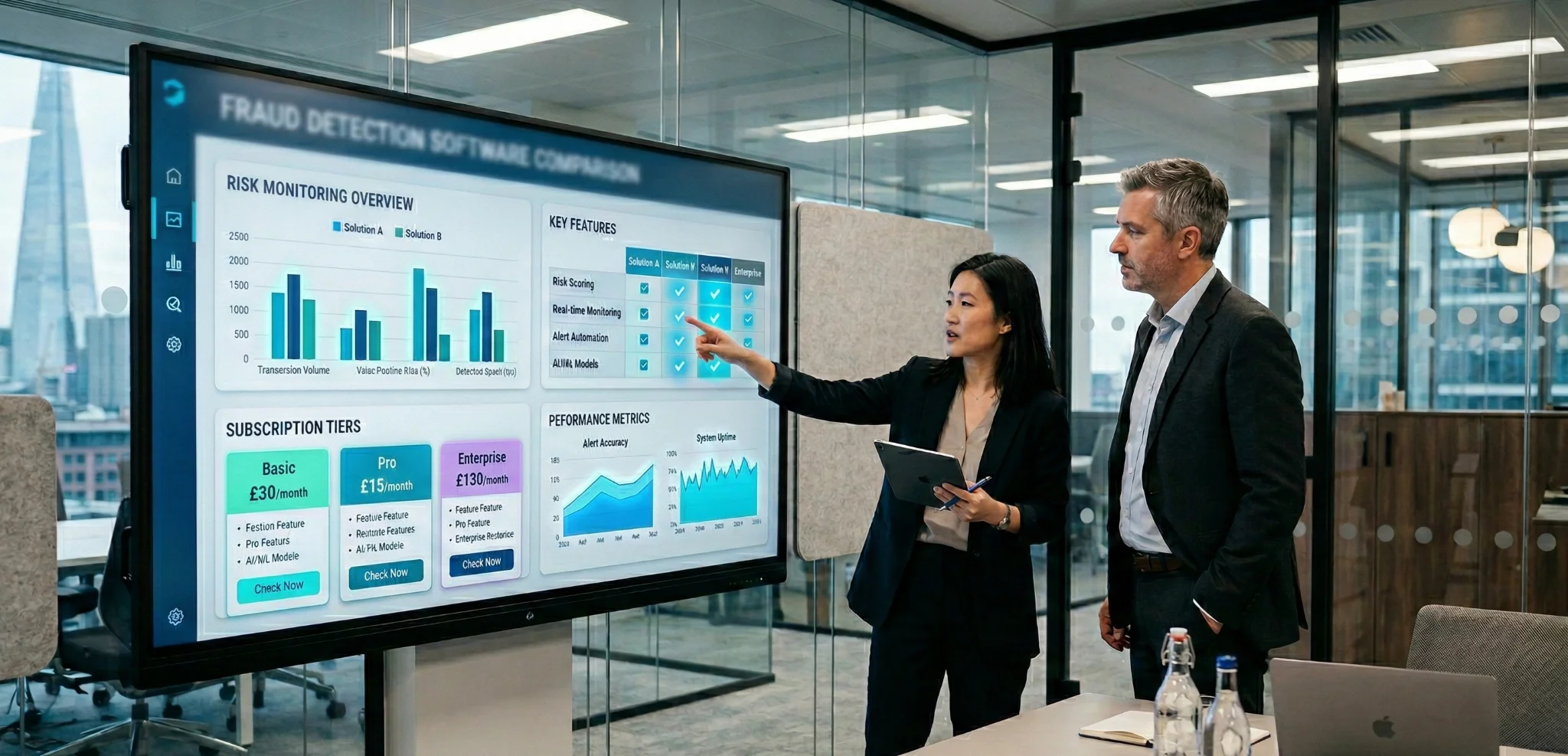
Organizations evaluating automated fraud monitoring capabilities often examine what to look for in a fraud detection subscription when selecting long-term monitoring platforms.
Selecting the right platform requires evaluating both technical capabilities and operational scalability.
Several key features should be considered when choosing a long-term monitoring system.
A monitoring platform must analyze financial activity continuously and identify unusual behavior patterns quickly.
Important capabilities include:
• transaction anomaly detection
• automated risk scoring
• suspicious activity alerts
• behavioral monitoring systems
These tools allow organizations to detect financial irregularities earlier and respond before risks escalate.
Manual monitoring processes can slow investigations and increase operational costs. Many organizations transitioning to automated monitoring systems first recognize the real cost of manual fraud and compliance checks, particularly as transaction volumes increase.
Effective compliance monitoring platforms should automate routine processes such as:
• alert triage and investigation workflows
• case management tracking
• suspicious activity documentation
• regulatory reporting preparation
Automation allows compliance teams to focus on complex cases while routine monitoring tasks run automatically.
As organizations expand their operations, transaction volumes and compliance requirements increase significantly.
A scalable compliance monitoring platform should support:
• increasing transaction volumes
• multi-region regulatory compliance
• expanding customer bases
• cross-platform transaction monitoring
Scalable infrastructure ensures monitoring systems remain effective even as operational complexity grows.
Compliance monitoring platforms must connect seamlessly with existing financial infrastructure.
Key integrations often include:
• payment processing platforms
• banking reconciliation software
• customer relationship management systems
• financial reporting platforms
Integrated monitoring ensures compliance teams can analyze financial activity across the entire operational ecosystem.
Compliance teams rely on accurate data insights to understand financial activity and identify potential risks.
Monitoring platforms should provide:
• compliance monitoring dashboards
• transaction reporting tools
• risk analytics visualization
• audit documentation logs
These reporting capabilities allow organizations to demonstrate regulatory compliance during audits and regulatory reviews.
Different monitoring platforms offer varying levels of automation, scalability, and reporting capabilities.
When evaluating platforms, organizations should consider:
• monitoring coverage across systems
• automation capabilities
• integration flexibility
• alert management tools
• reporting and analytics features
Selecting the right monitoring platform ensures organizations maintain long-term compliance while supporting business growth.
Automation significantly improves monitoring efficiency, but human expertise remains essential for investigating complex cases.
Effective compliance systems combine:
• automated transaction monitoring
• prioritized alert management
• investigator review workflows
• compliance documentation processes
Choosing the right compliance monitoring platform allows organizations to automate transaction oversight, detect suspicious activity earlier, and maintain regulatory compliance as financial operations scale.
A compliance monitoring platform is a system that continuously analyzes financial activity and transaction data to detect suspicious behavior and support regulatory compliance.
Continuous monitoring helps organizations detect unusual activity in real time rather than relying on periodic reviews that may miss evolving risk patterns.
Yes. Many monitoring platforms automate transaction analysis, alert generation, and compliance reporting while allowing human investigators to review high-risk alerts.
Monitoring platforms track financial activity continuously, identify suspicious patterns early, and generate documentation required for regulatory reporting.